
 Facebook
 X
 Pinterest
 Copy Link
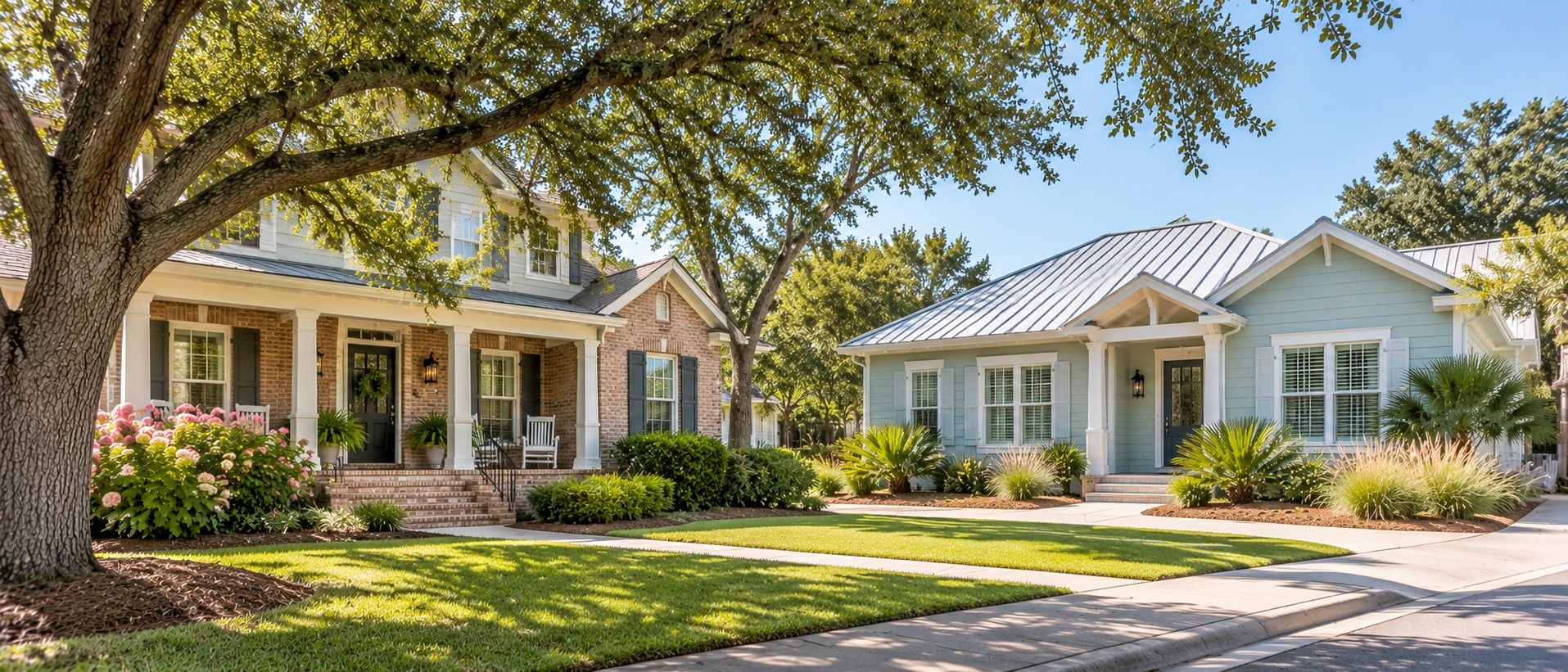
Sometimes a different house looks wonderful. But would living there actually make your life better?
You know how sometimes you walk into a house and think, “Oh, I could live here.”
Beautiful kitchen. Great floor plan. Maybe a porch you’d love to sit on in the mornings.
And before you know it, you’re imagining where the furniture would go.
I get it. That’s part of the fun of looking at homes.
But when you’ve already owned a home for years, there’s another question I think is worth asking.
Would moving into that house actually make your life better?
Not just different.
Better.
Because there’s a lot to consider when you’re comparing a home you know inside and out with one that looks wonderful during a showing.
The Home You Know Has Advantages You Might Overlook
When you’ve lived somewhere for a long time, you get used to things.
You know how the house handles a heavy rain.
You know which rooms stay cooler in the summer.
You know what the utility bills usually look like, which repairs you’ve already made, and what might need attention next.
You know the neighborhood, the traffic, and how long it takes to get where you’re going.
And you probably don’t think much about those things anymore.
But they’re valuable.
When you move into another home, you’re learning all of that again.
That doesn’t mean you shouldn’t move. It just means the familiarity you already have is worth something.
A Newer Home Doesn’t Always Mean Less Work
This one comes up quite a bit.
Someone has spent years maintaining a home and thinks, “I’d really like something newer so I don’t have so much to worry about.”
Perfectly understandable.
And a newer home may offer real advantages.
Newer roofing, windows, mechanical systems, and construction features can make a difference, especially here along the coast.
But newer doesn’t automatically mean maintenance-free.
You may still have a yard to maintain, exterior surfaces exposed to salt air, and systems that need regular attention.
If you’re considering a community with a homeowners association, there may be additional fees and maintenance responsibilities to understand.
And sometimes an older home that’s been carefully maintained is in better practical condition than a newer property that hasn’t received the same attention.
So I wouldn’t just compare the ages of the houses.
I’d compare their actual condition and what each one is likely to require from you.
The Monthly Payment Isn’t the Whole Cost
Now, here’s where I like to slow down a little.
Because a home can look like a great financial move until you start adding everything together.
Maybe the next house costs less than your current one is worth.
That sounds promising.
But what about the insurance?
Property taxes?
HOA fees?
Utilities?
And if you’re financing the purchase, what would your new mortgage payment look like compared with the one you have now?
Some longtime homeowners have mortgage rates that are considerably lower than current rates. Others may have paid off their homes entirely.
And in Florida, the property taxes you’ve been paying on your longtime homestead may not tell you what you’d pay on another property.
Depending on your circumstances, homestead portability may help preserve some of your Save Our Homes assessment benefit when moving to another qualifying Florida homestead. But eligibility, timing, and the amount transferred need to be checked with the property appraiser.
Insurance is another big one along our coast. Two homes with similar prices can have very different ownership costs depending on location, construction, roof condition, and coverage requirements.
That’s why I think it’s important to look beyond the asking price.
A home that’s less expensive to buy isn’t necessarily less expensive to own.
Don’t Forget What It Costs Just to Make the Move
This is another part people sometimes underestimate.
Selling one home and buying another involves expenses on both sides.
There may be preparation or repairs before listing, negotiated selling costs, moving expenses, and closing costs associated with the purchase.
And if you’re moving into a different type of property, there may be things you’ll need to buy or change once you get there.
None of that means moving isn’t worthwhile.
It just means we should understand the whole picture before deciding.
I recently wrote about whether it makes more sense to sell first or buy first, because the way you coordinate those two transactions can affect your costs, your timing, and how comfortable the transition feels.
A Different Neighborhood Can Change Your Everyday Life
Sometimes the biggest improvement isn’t the house itself.
It’s where the house is.
Maybe you’re tired of a long drive to the places you visit most often.
Maybe you’d love to be closer to family.
Maybe you’re looking for a quieter street, a more convenient location, or a neighborhood where you can enjoy walking in the evenings.
And sometimes the opposite is true.
You might love a home in another community but discover that getting to your usual places would take longer than you’d like.
That’s why I always suggest spending some time in a neighborhood before making a decision.
Drive through at different times.
Think about your normal errands.
Consider how often you’ll be heading east or west along Highway 98.
And ask yourself whether the location would make your regular days easier.
I talked more about this in Same Coast, Different Communities: Finding the Right Fit for Your Next Home, because you really can find different ways of living without leaving our stretch of the Gulf Coast.
What Are You Actually Gaining?
This is probably my favorite question in the whole conversation.
Let’s say you’re considering a move.
What would the next home give you that you don’t have now?
Would you gain a floor plan that works better?
Less maintenance?
A location that saves you time?
More comfortable space for visiting family?
A home that’s easier to manage as your needs change?
Or perhaps something you’ve wanted for years but haven’t had.
Those are meaningful improvements.
And they’re worth considering.
But if you’re moving from one house into another that has many of the same challenges, just with different finishes, I’d want us to recognize that too.
A beautiful kitchen is wonderful.
But if the new house still has the stairs you’re tired of climbing or the yard you don’t want to maintain, have we really solved anything?
Sometimes Improving the Home You Have Makes More Sense
Here’s another possibility.
What if you could make a few changes to your current home and get most of what you’re looking for?
Maybe you could update a room.
Change how you use your space.
Improve the outdoor area.
Or make the home easier to maintain.
Of course, not every problem can be solved with improvements.
You can’t move the house closer to your grandchildren.
You can’t change the neighborhood around it.
And some floor plans are difficult or expensive to rework.
But it’s worth comparing the cost and practicality of improving your current home with the cost of moving.
I’ve written before about how to choose a coastal home you’ll still love ten years from now. Some of those same questions can help you decide whether the home you already own still has what you need.
So, Is Moving Worth It?
Well, sometimes it absolutely is.
A different home can make life easier, more comfortable, and better suited to the way you want to spend your time.
And sometimes, after looking at the options, people realize their current home is still a pretty good fit.
I think both answers are perfectly fine.
The important thing is understanding what you’re gaining, what you’re giving up, and what the change would really cost.
Not just in dollars.
In time, convenience, upkeep, and everyday comfort.
If you’ve been looking at homes around Navarre, Gulf Breeze, Fort Walton Beach, or Destin and wondering whether it’s time for something different, I’d be happy to help you compare the possibilities.
We can look at your current home, explore what’s available, and talk through the practical side of making a change.
And if we discover you’re better off staying where you are?
Well, that’s a good answer too.
At least you’ll know.
And I think that’s worth a conversation.
Thanks for reading,
Ramona
Coastal conversations are always better when they’re real ones.
