
 Facebook
 X
X
 Pinterest
 Copy Link
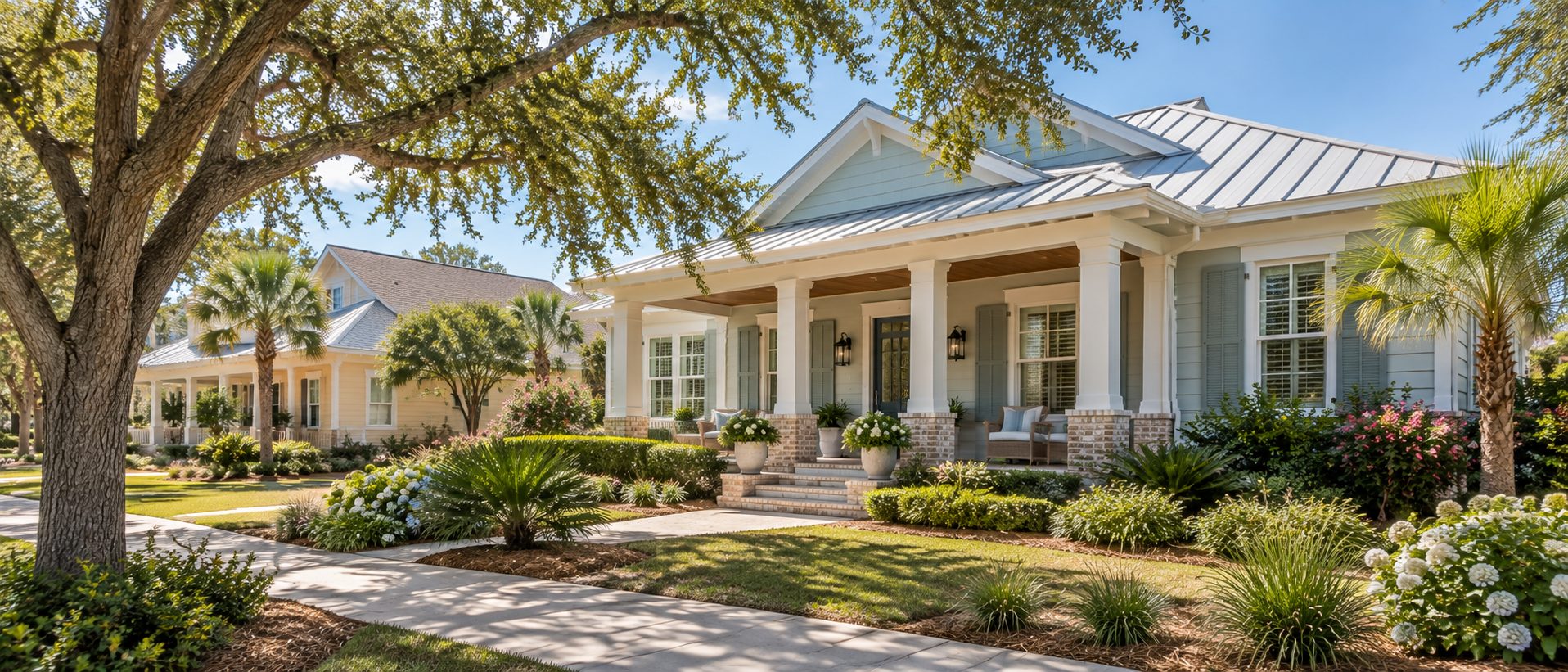
Sometimes figuring out what you want next is the best place to start.
I’ve had this conversation more times than I can count.
Someone tells me they’ve been thinking about selling their home. Not seriously, necessarily. Just thinking about it.
And usually, one of the first things they want to know is what their house might be worth.
That’s a perfectly good question.
But there’s another question I like to ask, and sometimes it leads to a much more interesting conversation.
“Well, if you sold it, where would you want to go?”
You’d be surprised how often the answer starts with, “I’m not really sure.”
And that’s okay. Actually, that’s a pretty good place to start.
Before You Think About Selling, Think About What’s Next
There’s nothing wrong with wanting to know your home’s value.
Especially if you’ve owned it for years. You may have quite a bit of equity, and understanding that is important.
But knowing what your home could sell for doesn’t automatically tell you whether moving makes sense.
What would you buy next?
Would it cost more or less?
Would you be happier there?
And here’s one I think matters quite a bit: What would you gain that you don’t already have?
Sometimes those questions tell us more than the numbers do.
I wrote recently about how you can love your home and still realize it doesn’t fit your life quite the same anymore. That’s often where these conversations begin.
What Would You Keep If You Could?
This is one of my favorite questions to ask.
Because even when people are thinking about moving, there’s usually plenty they still love about their current home.
Maybe it’s the porch.
Maybe it’s the privacy.
Maybe it’s having a separate room for guests.
Or maybe it’s the neighborhood itself. They’ve been there long enough to know the neighbors, the shortcuts, and which direction the afternoon sun comes through the windows.
Those things matter.
So before you start looking at what you’d change, think about what you wouldn’t want to lose.
Sometimes the best way to understand your next home is to start with everything your current one has gotten right.
And What Would You Gladly Leave Behind?
Now this is where people usually start talking.
Maybe they’re tired of taking care of a big yard.
Maybe that two-story floor plan isn’t quite as convenient as it used to be.
Maybe they’d love a newer home with fewer maintenance projects.
Or perhaps they don’t want less space at all. They just want the space arranged differently.
I’ve seen people move into smaller homes and be perfectly happy.
I’ve also seen people move into larger ones because their families have grown and they want more room when everyone comes to visit.
There’s no rule that says your next home has to be smaller, bigger, newer, or more expensive.
It just needs to make sense for you.
Would You Stay in the Same Coastal Community?
This is another interesting conversation.
Someone may have lived in Gulf Breeze or Navarre for twenty years and love the area.
They don’t necessarily want to leave.
But they might want a different kind of neighborhood.
Maybe they’re ready for something quieter.
Maybe they’d enjoy being closer to restaurants, shopping, or the water.
Maybe they want more privacy, or perhaps they’d rather have neighbors a little closer.
And sometimes people discover that another community just a few miles away offers something they hadn’t considered.
I’ve talked before about what makes one coastal neighborhood feel different from another, because those differences can really matter when you’re choosing where to spend the next several years.
You might not need a whole new lifestyle.
You might just need a different setting for the one you already enjoy.
What Would Your Next Ten Years Look Like?
I know. Nobody has a crystal ball.
But it’s worth thinking about.
If you’re approaching retirement, would you like to travel more?
If your children are grown, will they be coming back to visit with families of their own?
Do you want a home that’s easier to maintain?
Would you like more room for hobbies, entertaining, or simply enjoying your time at home?
And what about the things you love doing now? Will your next home make those easier?
I wrote about choosing a coastal home you’ll still love ten years from now from the buyer’s perspective. But the same questions are worth asking when you’ve already owned a home for a long time.
The difference is that now you have years of experience telling you what works for you.
That’s valuable.
Don’t overlook it.
Then We Can Talk About the Numbers
Once you have a better idea of what you’d want next, the financial side of the conversation becomes much more useful.
We can look at what your current home might realistically sell for.
We can explore what homes that fit your new priorities are selling for.
And we can talk about the costs that go along with making a move.
That includes things like insurance, property taxes, financing, closing expenses, and possibly maintenance costs that would be different in another home.
Sometimes the numbers work out beautifully.
Sometimes they suggest waiting.
And sometimes people discover that making a few changes to the home they already own is the better decision.
I think that’s a perfectly good outcome too.
You May Decide You’re Already Right Where You Belong
Here’s something I want you to know.
Not every conversation about selling needs to end with a sale.
Sometimes people look around, compare their options, and realize they still love where they are.
Maybe the house needs a little updating.
Maybe they can use a room differently.
Maybe they simply needed to see what else was available before appreciating what they already have.
There’s nothing wrong with that.
I’d much rather help someone make a decision they’re comfortable with than have them move just because they started wondering about it.
So, What Would You Want Next?
If you’ve been thinking about selling your coastal home, here’s where I’d suggest starting.
Not with a moving date.
Not with a list price.
Just with a little conversation about what you’d want your life to look like in your next home.
What would you keep?
What would you change?
And what would make the whole idea of moving worth it?
You don’t need all the answers.
That’s what we can figure out together.
And who knows? We might discover your next home is waiting somewhere nearby.
Or we might decide the one you’re in is still pretty hard to beat.
Either way, you’ll know a little more than you did before.
And that’s a good place to start.
Thanks for reading,
Ramona
Coastal conversations are always better when they’re real ones.
