
 Facebook
 X
 Pinterest
 Copy Link
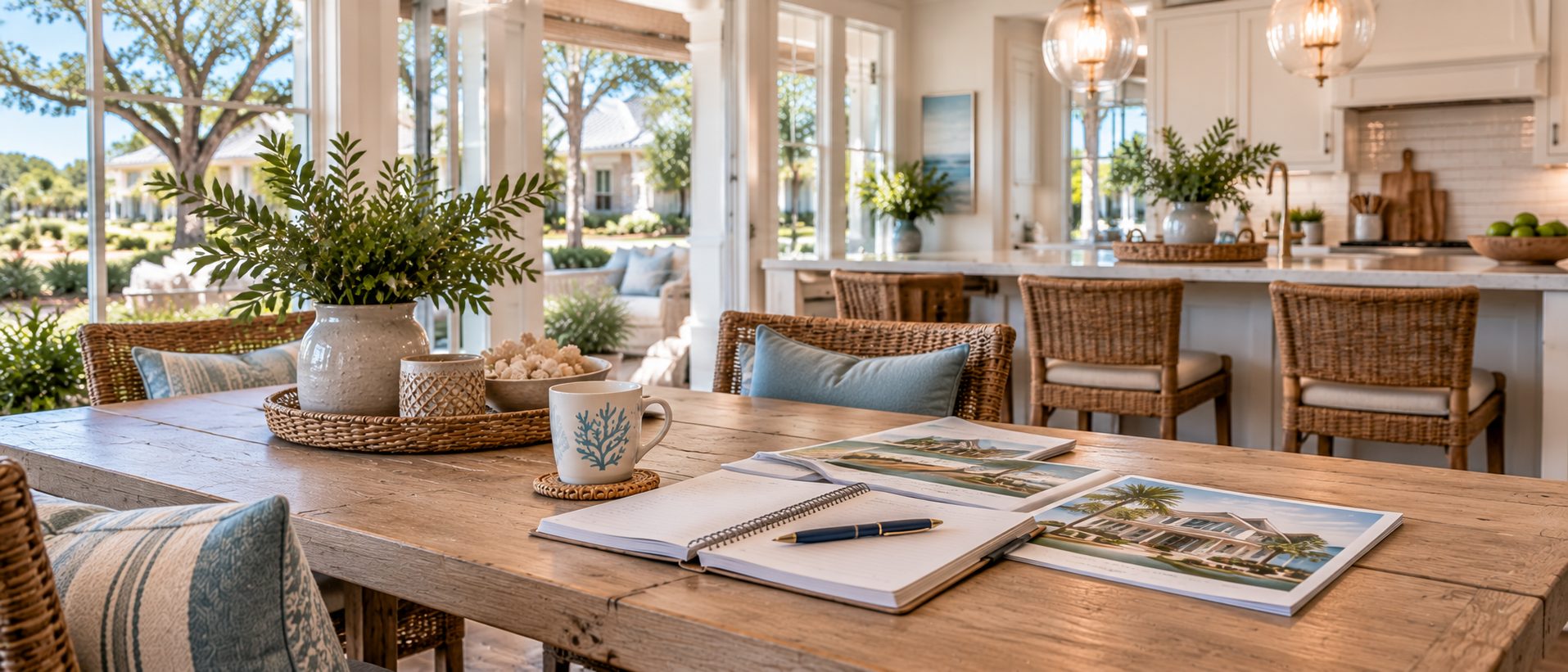
There’s more than one way to make your next move, and the right answer depends on your situation.
“Okay, Ramona, but how do we buy another house when we’re still living in this one?”
Now that’s a question I’ve heard plenty of times. And it’s a good one. Maybe you’ve found yourself looking at other homes lately. Maybe you’re thinking about something with less maintenance, a different floor plan, or a neighborhood that fits your life a little better now.
But then comes the tricky part. Do you sell the house you’re in first? Do you find the next one and hope everything works out? Or is there some way to make both happen without turning your life upside down?
The answer is, there are several ways to handle selling and buying a home at the same time. And no, there’s not one perfect answer for everybody.
Let’s talk through it.
Option 1: Sell Your Current Home First
For some homeowners, this is the most comfortable approach.
You sell your current home, know how much money you’ll have available, and then start shopping for the next one with a clearer picture of your budget.
There’s a lot to be said for that.
You’re not guessing about what your house might sell for. Once the sale closes, you know what you’ve actually received after expenses and any mortgage payoff.
And if you need that equity to purchase your next home, selling first may make financing easier.
But there’s a catch.
What happens if your house sells and you haven’t found the next one?
You may need temporary housing. You might have to move twice. Or you could negotiate with your buyer to stay in the home for a short period after closing, if everyone agrees and the terms work.
None of those situations is necessarily terrible.
They just need to be planned for.
And that’s why I like to talk about where you’re going before we get too far into selling where you are.
In fact, I wrote about figuring out what you’d want in your next coastal home before making the decision to sell.
Option 2: Buy Your Next Home First
Now, some people would much rather find the next house before putting their current one on the market. And I understand that too. Maybe you’ve lived in your home for twenty years. You have furniture, memories, family coming and going, and a whole lot of things you don’t want to move twice.
Buying first can give you time to settle into the new home before preparing the old one for sale.
That sounds pretty nice, doesn’t it?
But here’s where we have to look carefully at the numbers.
Can you comfortably carry two homes for a while?
That could mean two mortgage payments, two insurance policies, two sets of property taxes, utilities, and maintenance.
And if you’re counting on the equity in your current home to buy the next one, we need to understand how that money would be available.
Some buyers may qualify for financing that makes buying first possible. Others may have enough cash or equity to manage the transition.
But just because something is possible doesn’t mean it’s the best choice.
I’d rather we figure that out before you fall in love with a house.
Option 3: Try to Coordinate Both Moves
This is where things can get a little more complicated.
But it’s also where having a good plan really matters.
Sometimes we can arrange the sale of your current home and the purchase of your next home so the closings happen close together. That might involve negotiating a contract that’s contingent on selling your existing home. Or it might mean coordinating closing dates, financing, inspections, and moving arrangements with everyone involved.
Sounds simple enough when I say it that way.
Of course, there are quite a few moving parts behind the scenes. Your buyer has a timeline. The seller of your next home has a timeline. Lenders, title companies, inspectors, and insurance providers all have things they need to accomplish. And sometimes one little delay can affect everything else. That’s why I don’t like leaving this part to chance.
We need to understand the deadlines, the contract terms, and what happens if something doesn’t go exactly as planned.
Can it work? Absolutely.
But it takes communication, preparation, and a little flexibility from everyone. And whether a seller will accept a home-sale contingency depends on the property and current market conditions.
And if you’re still deciding what your current property might need before going on the market, I’ve shared more about what matters before you list a coastal home.
Don’t Forget the Costs That Come With the Next Home
Here’s something that’s especially important when we’re talking about homes along our coast. The price of the next house isn’t the whole financial picture.
You also need to know what it will cost to own it.
Insurance is a big one. A home in Navarre, Gulf Breeze, or another nearby coastal community may have very different insurance costs depending on its location, construction, roof, age, and exposure.
Flood insurance may be another consideration.
And property taxes? Don’t assume what the current owner pays is what you’ll pay.
Florida’s homestead exemption and Save Our Homes assessment limitation can make a big difference for longtime homeowners. If you’re moving from one Florida homestead to another, you may also qualify for portability of some accumulated assessment benefit, subject to eligibility and deadlines. That’s worth checking with the county property appraiser before making your plans.
Then there’s maintenance. Maybe you’re leaving an older home because you want fewer projects. That’s perfectly reasonable. But we still need to look carefully at what the next property may require. A newer home isn’t automatically maintenance-free. And a smaller home isn’t automatically less expensive to own.
I know that’s a lot to think about.
But these are the things I’d rather you know early than discover after you’ve made a decision.
What About Your Current Mortgage Rate?
This comes up quite a bit.
If you’ve owned your home for several years, you may have a mortgage rate that’s considerably lower than what you’d get on a new loan today.
And that can make moving feel like a bigger decision.
You may be selling a home with a comfortable monthly payment and buying one with a higher payment, even if the purchase prices aren’t dramatically different.
That’s something we need to look at honestly.
But I also wouldn’t make the decision based on the interest rate alone.
If your current home no longer works for the way you live, staying just to keep a low rate may not be the best answer either.
The question is whether the overall move makes sense financially and personally.
And that’s a conversation worth having with your lender before you start making offers.
Sometimes the Best Plan Is to Wait a Little
I know. That’s probably not what you expect a real estate agent to say. But sometimes it’s true.
Maybe the right home hasn’t come along.
Maybe you need more time to prepare your current property.
Maybe the financing doesn’t work quite the way you’d hoped.
Or maybe you simply aren’t ready.
That’s okay.
I’ve talked before about why you don’t have to be ready to move to start exploring your options. There’s nothing wrong with getting the information now and making the decision later. Actually, I think that’s a pretty sensible way to handle something this important.
So Which Should You Do—Sell First or Buy First?
Well, that depends. I know that’s not the exciting answer. But it’s the right one.
If you need the proceeds from your current home to buy the next one, selling first or coordinating both closings may make the most sense.
If you have the financial flexibility to carry two properties and want time to move comfortably, buying first may be worth considering.
And if you’re still figuring out what you want, maybe we don’t need to do either one just yet.
What I don’t want is for you to feel pushed into a decision because you’re worried about missing out. You’ve worked hard for your home. And whatever comes next should make sense for your life, your finances, and the way you want to live.
So if you’re thinking about making a move somewhere along our stretch of the coast, let’s sit down and talk about it.
We’ll look at your current home, what you might want next, and how the pieces could fit together.
No pressure to pick a direction before you’re ready. We’ll figure out what makes sense.
And then we’ll take it from there.
Thanks for reading,
Ramona
Coastal conversations are always better when they’re real ones.
